Editor’s Note: Our annual Vator Splash Spring 2016 conference is around the corner on May 12, 2016 at the historic Scottish Rite Center in Oakland. Speakers include Tom Griffiths (CPO & Co-founder, FanDuel), Andy Dunn (Founder & CEO, Bonobos), Nirav Tolia (Founder & CEO, NextDoor), Mitch Kapor (Founder, Kapor Center for Social Impact); Founders of Handy, TubeMogul, VSCO, Vinted; Investors from Khosla Ventures, Javelin Venture Partners, Kapor Capital, Greylock, DFJ, IDG, IVP and more. Join us! REGISTER HERE.
(Updated with comment from Twitter)
Even though there’s seemingly more crossover between tech and politics than ever before, with a lot of companies hiring political operatives to help them beat back regulators, and campaigns using Silicon Valley vets to bring their campaigns into this century, there’s also a lot of distrust between the two sides.
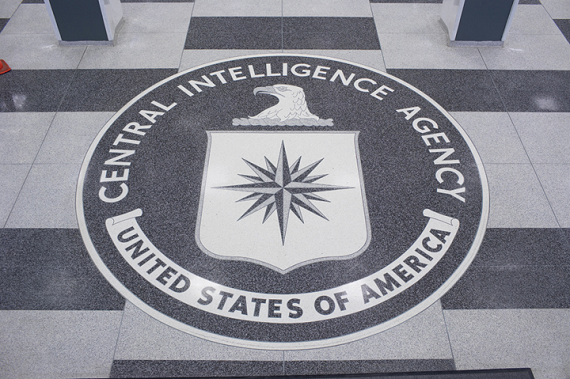
We witnessed it with the fight between Apple and the FBI. We’ve seen it with tech companies suing the government over their right to be as transparent as possible. Now Twitter is getting into it as well, by blocking U.S. intelligence agencies from accessing its data, according to a report in the Wall Street Journal on Sunday.
A senior U.S. intelligence official confirmed to the Journal that intelligence agencies had recently been told by executives from Dataminr that Twitter had asked the company to stop giving them information.
Dataminr is real-time information discovery company, which transforms real-time data from Twitter, as well as other public sources, into actionable signals. Basically, it does the work of combing through Twitter so its clients don’t have to. Twitter owns about a 5 percent stake in the company, and it is the only one that Twitter authorizes acces its entire real-time stream and them sell that information it to clients.
Clients who use Dataminr include those in finance, news, corporate security and crisis management. None of these other industries are being affected, only intelligence services.
As for why Twitter made this move, the senior intelligence official who spoke to the Journal said it was because Twitter didn’t want to be seen as being too close to American intelligence services.
In reality, Dataminr never should have been giving this data over to those agencies in the first place, as Twitter has a policy against such an actions. Still, Dataminr had been selling the data for the last two years without any repercussions.
The intelligence agencies are said to have gained access when In-Q-Tel, a venture-capital firm that invests in companies developing technologies to help the CIA and the U.S. Intelligence Community, invested in Dataminr. In-Q-Tel started a pilot program, which Twitter put a stop to it once it ended.
“Dataminr uses public Tweets to sell breaking news alerts to media organizations such as Dow Jones and government agencies such as the World Health Organization, for non-surveillance purposes. We have never authorized Dataminr or any third party to sell data to a government or intelligence agency for surveillance purposes. This is a longstanding policy, not a new development,” a Twitter spokesperson told VatorNews.
This may seem like Twitter taking a stand against its data being used by U.S. intelligence, but it’s not going to stop these same agencies from accessing the information. All of that information is public, and all the agencies have to do is build something akin to Dataminr to sort through it.
It’s also interesting to note that, despite this decree, Dataminr still has a separate, $255,000 contract to provide information to the Department of Homeland Security, which will also not be affected by Twitter’s decision. So it seems as though not all government agencies are created equal in this scenario.
VatorNews reached out to Dataminr, for confirmation of this report. We will update this story if we learn more.