 In a strange way, healthcare seems to be reverting back to a style that had gone out of fashion many years ago, with an increased amount of health taking place in the home. There are now around 12 million people who are now getting in-home care, from more than 33,000 providers, and last year the annual expenditures for home health care were projected to be over $72 billion.
This is thanks, in large part, to technology and, more specifically, to connected in-home devices that can easily collect and send data to a physician in real-time. This allows patients to be monitored remotely, without constant trips to the doctor, and for physicians to do more timely interventions based on patterns picked up by AI and machine learning.
In July, Vator, HP and UCSF Health Hub will be holding an event centered around these devices, and how they are affecting the healthtech space. Every week until then we will be doing a roundup of some of the news around in-home devices and what some of the major tech companies are up to in this space.

LabCorp gets FDA authorization for its in-home COVID testing kits
LabCorp received an Emergency Use Authorization (EUA) from the FDA to allow for in-home testing. The test kits will first being distributed to healthcare workers and first responders who may have been exposed to COVID-19 or who may be symptomatic. The company intends to make the kits available to all consumers around the country in the coming weeks.
The kits will be offered through the company’s Pixel by LabCorp platform, its consumer-facing wellness test offering that it introduced in 2018.
“LabCorp continues to develop new ways to help patients and healthcare providers fight the COVID-19 crisis through our leading testing capabilities and deep scientific and research expertise,” Adam Schechter, president and CEO of LabCorp, said in a statement. “Our at-home collection kits are designed to make it easier and safer to test healthcare workers and first responders during this important time.”

CirrusMD, a platform that offers a chat-first virtual care solution, signed an expanded contract with Iron Bow Technologies as a subcontractor to the United States Department of Veteran Affairs.
“VA Health Chat,” is a web and mobile platform that provides Veterans with virtual care by connecting them directly to a VA healthcare team member for clinical and non-clinical services. They can ask questions, receive medical advice, refill prescriptions, or schedule appointments from any web-enabled device, without having to leave their home.
“As a Veteran founded company, we care deeply about supporting and delivering care to this population,” Blake McKinney, co-founder and chief medical officer at CirrusMD, said in a statement. “The current COVID-19 pandemic has underscored the critical need for innovative technology, including telemedicine, as a way to provide immediate access to both high-quality and preventative care for Veterans without requiring them to visit the doctor in-person. We are proud to be working with the VA to help Veterans access the care they need, whenever they need, in the easiest way possible.”
CirrusMD began working with the VA in May 2019 rolling out their platform to over 200,00 veterans across three of the VA’s medical centers. This extended contract will being CirrusMD’s technology to over 1.6 million Veterans in Minnesota, Wisconsin, Florida, South Georgia, Puerto Rico and the U.S. Virgin Islands.
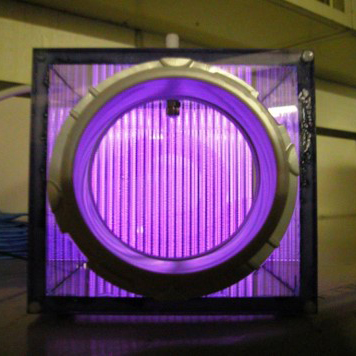
Researchers at Drexel University’s C. & J. Nyheim Plasma Institute are modifying an air sterilization system, created to combat the threat of anthrax attacks, with the hopes that it can be used to prevent COVID-19. The project is supported by a $200,000 NSF grant, which is hoping to deploy it in the next six to eight months.
A cold plasma filter designed by Fridman’s team in 2010 proved to be more than 99% successful at removing anthrax spores from the air. Their prototype was scaled up by Canada’s department of transportation for use on vehicles before the terrorist scare subsided.
“As public health research reveals how the virus can persist and be transmitted through the air in indoor environments, it will become increasingly important for engineers to develop air sterilization technology that can neutralize or remove it,” Alexander Fridman, PhD, director of the Nyheim Plasma Institute and a professor in Drexel’s College of Engineering, said in a statement.

Medidata launches myMedidata platform to monitor COVID patients
Medidata, a subsidiary of Dassault Systemes, launched its myMedidata platform for patients, which enable flexible participation in clinical trials for new medicines and vaccines. This first release of myMedidata includes a research-based COVID-19 symptom tracker, designed to support research studies and advance scientific understanding of the virus. It will be made available to Medidata customers free of charge.
myMedidata includes eConsent, an electronic patient consent system for clinical trial participation; eCOA (electronic clinical outcomes assessment) and ePRO (electronic patient-reported outcomes); wearable sensors that collect data from biosensors; and Virtual Trials, which use patient-facing technologies to allow clinical research to be conducted remotely.
The app will allow for symptoms to be collected directly from research participants who may be able to continue with traditional site visits. It also allows researchers to recruit large registries of individuals to monitor their health status with respect to COVID.
“It is critical for the life sciences industry to understand the effects of SARS-CoV-2 on patients, and to find ways to forge ahead with research across all therapeutic areas, from COVID-19 to cancer,” Glen de Vries, co-founder and co-CEO of Medidata, said in a statement. “The early launch of myMedidata allows sponsors to gather patient-reported COVID-19 symptoms in ongoing and new research programs. We are providing this capability on the Medidata platform free of charge, in response to the pandemic crisis.”
(Image source: cerner.com)