

April 12, 2024
Tokyo startups eye US market for expansion
Recent News

- April 24, 2024
Using generative AI for health plan claims, Alaffia Health raises $10M
Amish Jani, Founder and Partner at FirstMark, joined the company's Board of Directors
- April 24, 2024
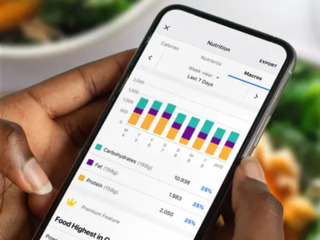
MyFitnessPal launches support tools for patients on GLP-1 meds
The tools include content such as educational videos, recipes, and daily nutrition tips
- April 23, 2024
New disease models unlocking secrets to neurological research
Advances in technology, like in vitro and microfluidics, have helped advance research

- April 23, 2024
Forum Ventures report: where health systems say innovation is most needed
The report outlined four areas as a guide to help startups to sell into these systems
- April 22, 2024
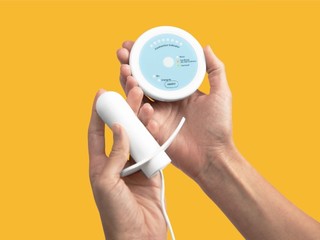
Pelvital raises $2.32M to commercialize its urinary incontinence device
Flyte delivers mechanotherapy transvaginally to the pelvic floor
- April 22, 2024
Healthcare staffing company ShiftMed acquires managed service provider CareerStaff
The country will need an additional 203,200 RNs each year until 2031 to fill staffing shortages

- April 19, 2024
Meet Jonah Midanik, COO and General Partner at Forum Ventures
Forum Ventures operates its own venture studio, accelerator, and pre-seed fund

- April 19, 2024
M&A activity in the warehouse robotic space
Robots are taking over the heavy lifting work inside warehouses

- April 19, 2024
DrFirst buys prior authorization automation platform Myndshft
This will allow DrFirst to accelerate its growth in the specialty medication space

- April 17, 2024
Value-based obesity care solution Ilant Health adds $2.5M to its seed round
The company initially raised $3 million in seed funding when it launched in October

- April 17, 2024
Maven Clinic launches program for members who want to get pregnant without IVF
The company also expanded access to 12 different provider types for male fertility care

- April 16, 2024
Ezra partners with RAYUS Radiology to expand nationally
Ezra's AI cancer screening platform will be available in 150 RAYUS locations

- April 16, 2024
Two Chairs raises $72M to match patients to the right mental health provider
This is the company's first fundraising since 2019 and brings its total capital to $103M

- April 15, 2024
Alula Technologies and ROOK partner so insurance companies can unlock wearable data
ROOK lets health, fitness, and wellness companies take data from devices and make it actionable
- April 12, 2024
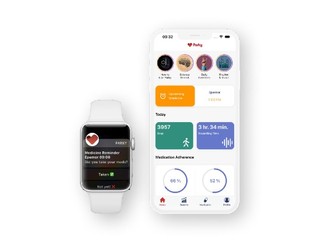
Parkinson's monitoring app h2o gets FDA approval to add haptic cueing feature
Foggy uses the Taptic Engine in Apple Watch to provide vibrotactile stimulation for gait freezing
Sign up now to subscribe to our newsletter and stay up to date with the latest news!
Featured News
New disease models unlocking secrets to neurological research
- By Steven Loeb
- |
- April 23, 2024
Tokyo startups eye US market for expansion
- By Kym McNicholas
- |
- April 12, 2024

Which large corporations are leading the charge in warehouse automation?
- By Steven Loeb
- |
- April 12, 2024

Healthtech investing still lags behind even as funding grew 42% in Q1
- By Steven Loeb
- |
- April 8, 2024

Fertility benefits help your company stand out among competitors
- By Anna Vod
- |
- April 3, 2024